



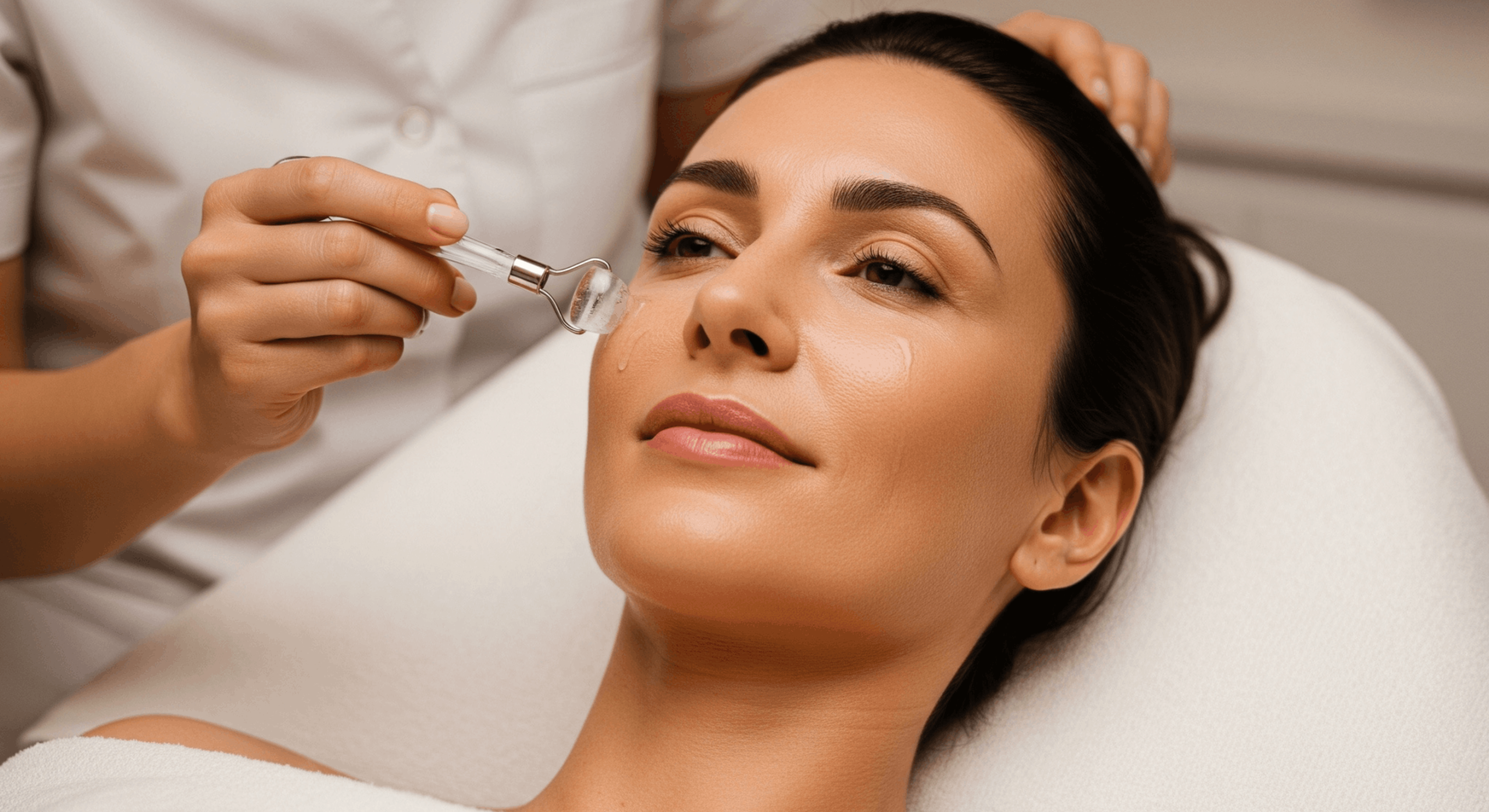


Facelift – Permanent Treatment of Sagging & Signs of Aging

Facelift – Permanent Treatment of Sagging & Signs of Aging
The facelift is the gold standard in plastic surgery for addressing sagging of the face and neck. It is one of the most widely performed aesthetic procedures worldwide, capable of visibly erasing the signs of aging and restoring a more youthful, refreshed, and natural appearance to the face.
Over the years, gravity, loss of collagen and sagging of deeper tissues cause sagging facial contours, deep wrinkles and sagging neck. A facelift doesn't just cover these signs, it corrects their cause by repositioning the tissues to their natural, youthful position.
What is a Facelift?
A facelift is a surgical procedure to rejuvenate the face and neck, in which sagging tissues are lifted, repositioned, and stabilized.
Unlike injectable treatments that address individual problems, a facelift comprehensively corrects sagging and restores the natural contour of the face.
Modern facelift techniques do not create the characteristic "pulled" image of the past. The goal is a natural, harmonious and discreet result.
Who are suitable candidates?
There is no specific age.
The need for a facelift depends mainly on:
-
the degree of relaxation
-
the quality of the skin
-
the genetic predisposition
-
the lifestyle
-
the rate of aging
It is usually applied to people between the ages of 45 and 60.
People who undergo a facelift earlier often experience more natural, longer-lasting results.
What is the appropriate age for a Facelift?
No.
In recent years, more and more men are choosing a facelift, desiring a more relaxed, dynamic and youthful image, both for professional and personal reasons.
Is Facelift only for women?
Treatment of hyperhidrosis with botulinum toxin is characterized by a high level of safety.
The possibility of an allergic reaction to the drug is extremely rare. When treatment is carried out by an experienced doctor, it is considered safe and well tolerated.
How long does the surgery take?
The duration usually ranges from 3 to 4.5 hours, depending on the technique applied.
What type of anesthesia is used?
A facelift is usually performed under general anesthesia.
In selected cases, it can also be performed under local anesthesia combined with sedation.
Recovery after a facelift
During the first few days, it is normal for the following to appear:
-
edema
-
bruises
-
sensation of tension
A special elastic bandage is used for approximately one week to aid in optimal healing and tissue reattachment.
Most patients return to work about a week after the surgery.
How long do the results last?
A facelift offers long-lasting results.
The procedure restores the tissues to the position they were in approximately 10 to 15 years earlier.
The natural aging process continues, yet the face still looks noticeably younger, even many years after the procedure.
The duration of the result is affected by:
-
the quality of the skin
-
the patient's age
-
genetics
-
smoking
-
exposure to the sun
-
the lifestyle
Possible complications
Complications are extremely rare when the procedure is performed by an experienced plastic surgeon.
May appear:
-
hematoma
-
inflammation
-
deforming scars
-
transient nerve palsy
Most of them are dealt with promptly and effectively.
Will it look like I had a facelift?
This is one of the candidates' major concerns.
Modern facelift techniques have evolved significantly, and their goal is the natural rejuvenation of the face, without exaggeration.
When the procedure is performed by a specialized plastic surgeon:
-
the characteristics are not altered
-
a "frozen" expression is not created
-
There is no indication of prior surgery.
Most people simply notice that the face looks more rested, fresher, and more youthful.
Facelift: The most comprehensive solution for natural facial rejuvenation
The facelift remains the most effective surgical solution for addressing sagging and aging of the face and neck. With modern techniques, the result is natural, subtle, and long-lasting, offering a more rested, radiant, and youthful appearance without altering an individual's unique features.
Text 1

Before
After
Text 2

Before
After
Podcast Area
Stay informed about what interests you.
What problems does the facelift correct?
A facelift can address:
- Sagging in the lower third of the face
- Sagging of the cheeks
- Deep nasolabial folds
- Alteration of the mandibular contour
- Dewlap
- Neck relaxation
- Neck wrinkles
- Tired and aged appearance
Advantages of the Facelift
The procedure offers significant benefits:
-
- Permanent treatment for skin laxity
- Natural result without alteration of characteristics
- Restoration of facial contours
- Neck improvement
- Elimination of deep wrinkles
- A youthful and rested look
- Long-lasting results
- Can be combined with other aesthetic treatments
- Improving self-confidence
Text 1
Before
After
Text 2
Before
After
Podcast Area
How is a facelift performed?
There are various modern facelift techniques.
The choice depends on:
-
age
-
the degree of relaxation
-
the quality of the skin
-
the needs of each person
Although there are different techniques, they all rely on the same principles:
-
lifting of deeper tissues
-
restoration of the contour
-
removal of excess skin
-
natural repositioning of the soft tissues
Where are the incisions made?
The incisions are carefully planned so as to be as inconspicuous as possible.
They are usually carried out:
-
within the scalp
-
around the ear
-
behind the ear
Thus, after healing, the scars are barely noticeable.
Text 1
Before
After
Text 2
Before
After
Podcast Area
Useful information about treatment
| Information | details |
|---|---|
| Type of procedure | Facelift |
| Anesthesia | General or local with intoxication |
| Duration of surgery | 3 to 4.5 hours |
| Hospitalization | Usually 1 overnight stay |
| Return home | The next day |
| Initial return to work | In approximately 7–10 days |
| Final result | After the complete resolution of the swelling |
| Duration of result | Long-lasting |
Text 1
Before
After
Text 2
Before
After
Podcast Area
The first visit to the plastic surgeon
During the first visit, the following takes place:
-
comprehensive medical history taking
-
assessment of facial and neck laxity
-
photoshoot
-
facial analysis
-
discussion of expectations
-
selection of the appropriate facelift technique
In several cases, one or two additional visits take place before the procedure to address all the patient's questions.
Are tests required?
Yes.
Before every facelift, a preoperative assessment is performed, which usually includes:
-
Complete blood count (CBC)
-
Biochemical tests
-
Urinalysis
-
Electrocardiogram
If there is a significant medical history, additional tests may be requested.
How long will I stay at the clinic?
Most patients stay at the clinic for one night.
The next morning, the drains are removed and the patient is discharged.
frequently asked questions
What is the right age for a facelift?
There is no specific age. The procedure is performed when sagging has become apparent and cannot be effectively addressed with non-invasive treatments.
Is a facelift painful?
Postoperative pain is usually mild and is managed with simple medication.
Will I need to stay in the hospital?
An overnight stay is usually required.
When do I return to work?
Most patients return about a week after the surgery.
Are the scars visible?
The incisions are placed in natural folds and within the scalp so that they are barely visible.
How long does the result last?
The result is long-lasting and can be maintained for many years, depending on skin quality and lifestyle.
Belly
Thighs
Glutes
Arms
Back
Sides
Knees
How is the treatment performed?

Step 1: Assessment and Planning
The process begins with the initial consultation with the plastic surgeon. This involves taking your medical history, conducting a detailed assessment of facial and neck laxity, taking photographs, and discussing your expectations. At this stage, the most suitable technique is selected to ensure a natural and harmonious result.
Step 2: Preoperative Assessment
Prior to the procedure, a preoperative assessment is necessary to ensure your health and safety. This typically includes routine blood and urine tests, biochemical tests, and an electrocardiogram. If there is a significant medical history, additional specialized tests may be required.
Step 3: The Surgical Procedure
During the surgery, the plastic surgeon lifts, repositions, and stabilizes the tissues that have lost their firmness. Modern techniques aim to restore the face's natural contours, avoiding the "pulled" look of the past and creating a youthful, refreshed appearance.
Step 4: Recovery and Long-Term Result
A facelift offers a permanent solution to sagging skin and eliminates deep wrinkles with long-lasting results. The procedure achieves a significant rejuvenation that improves facial contours and boosts the patient's self-confidence, while also allowing for combination with other aesthetic treatments at a later stage.
advice before and after treatment
Advice before treatment
-
Quit smoking as directed by your doctor.
-
Provide information about any medication.
-
Complete the pre-operative assessment.
-
Follow the plastic surgeon's instructions precisely.
Post-treatment advice
-
Wear the special bandage.
-
Sleep with your head slightly elevated.
-
Avoid strenuous exercise during the first few weeks.
-
Protect the incisions from the sun.
-
Strictly follow the medication regimen and the doctor's instructions.