




Scar Correction – Modern Treatments for Acne, Surgery, Burns & Injuries Scars

Scar correction with personalized treatment and natural aesthetic result
Scars are the natural result of the skin's healing process after injury, surgery, burn, acne or other skin damage. Although they are part of normal healing, they can sometimes be severe, hypertrophic or significantly affect the person's aesthetic image and self-confidence.
Modern plastic surgery and cosmetic dermatology now have many effective options for improving the appearance of scars. Depending on the type, age and location of the scar, the appropriate treatment or a combination of techniques can be selected to achieve maximum aesthetic restoration.
What are scars?
A scar is the new tissue that the body creates when a wound heals. This process is normal and necessary for the restoration of skin continuity.
However, the quality of the scar varies from person to person and is influenced by factors such as:
-
the age
-
the skin type
-
the genetic predisposition
-
the body area
-
the extent of the injury
-
proper postoperative care
Liposuction is a surgical procedure that removes excess local fat from specific areas of the body.
Using a special microcannula, the fat is broken down and sucked out, resulting in the area acquiring a more uniform, thin and shapely contour.
When is scar correction indicated?
Treatment may be recommended when the scar:
- is strongly evident
- shows redness or hypertrophy
- causes itching or discomfort
- creates a functional limitation
- causes psychological burden
- affects the aesthetics of the face or other visible parts of the body
A proper assessment by a specialized plastic surgeon is essential in order to select the most suitable treatment method.
What types of scars are treated?
The treatment can be applied to:
Scars from surgical procedures
Scars from injuries
Acne scars
Burn scars
Keloid scars
Hypertrophic scars
Scars after cesarean section
Scars after removal of moles or skin lesions
How is the appropriate treatment chosen?
Treatment is individualized depending on:
the type of scar
its size
her position
the age of the scar
the color of the skin
the patient's age
any co-existing diseases
taking medication
aesthetic expectations
In many cases, a combination of different techniques offers the best result.
Scar correction methods?
Laser
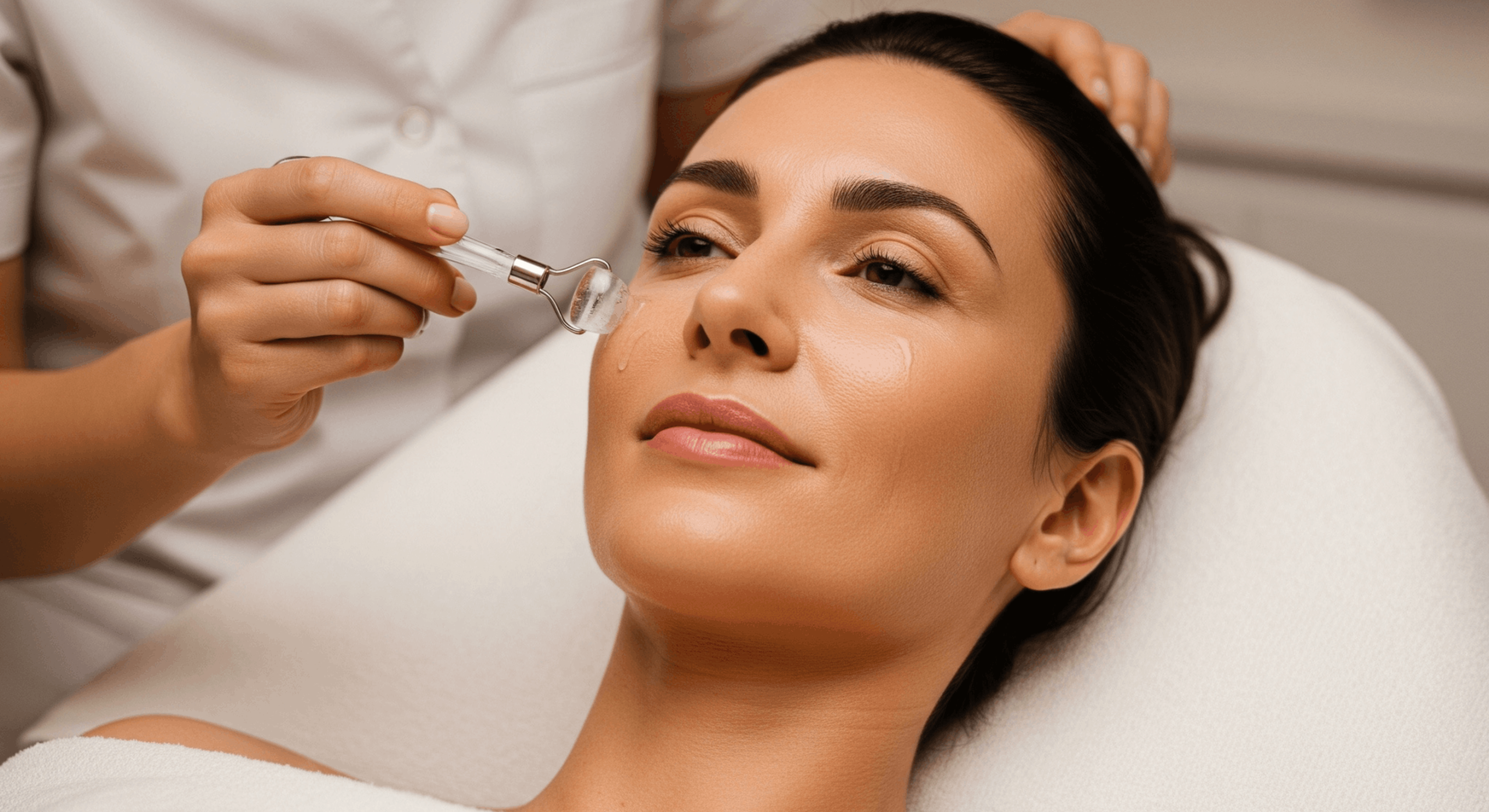
Modern Fractional Laser and CO₂ Laser are widely used to improve the texture and appearance of scars. Laser can help: smooth the scar reduce redness improve texture stimulate new collagen production
It is one of the most popular options for acne scars and surgical scars. Corticosteroid injections
Cortisone injections are primarily used for: hypertrophic scars and keloids.
The goal is to reduce the volume of the scar and improve its appearance. Dermal Fillers
In atrophic scars, such as many acne scars, fillers can be used to temporarily lift the area and smooth the skin surface. Chemical Peeling
Chemical peeling can improve superficial scars and discolorations through controlled skin renewal. Surgical scar correction
When a scar is particularly large, unsightly, or causes functional problems, surgical excision and re-suturing may be performed. The new scar is designed to achieve a better aesthetic outcome and reduced visibility. Skin grafts or local flaps: Extensive scars—particularly those resulting from burns or severe injuries—may require more specialized reconstructive techniques. Keloid and hypertrophic scars: The two most common types of problematic scars are hypertrophic scars and keloids.
Hypertrophic scars
They are characterized by: intense redness, raised surface, remaining within the boundaries of the original wound, possible itching. Keloid scars.
Keloid scars:
develop several months after the injury extend beyond the boundaries of the original lesion may cause pain or itching are associated with a genetic predisposition Their treatment often includes a combination of treatments to reduce the likelihood of recurrence.
Gynecomastia diagnosis
If an adult man notices an increase in the size of his breasts, it is important to consult a specialized doctor.
The diagnosis is based on:
-
Clinical examination
-
Medical history
-
Supersonic
-
Mammography, where deemed necessary
-
Hormonal control
In this way, it is determined whether it is true gynecomastia or pseudogynecomastia.
Gynecomastia diagnosis
Anesthesia depends on the technique that will be applied.
-
When the mammary gland is removed, general anesthesia is performed.
-
When only excess fat is removed with liposuction, local anesthesia with sedation may be used.
In the case of local anesthesia with sedation, the patient returns home after a few hours. If general anesthesia is used, they usually stay in the clinic overnight and are discharged the next day.
What do scars look like?
If only liposuction is performed, the scars are very small, approximately 4 millimeters, and almost indistinguishable.
If the mammary gland is removed, the scars are located around the areola. After 2 to 3 months they usually fade and become hardly noticeable.
When are the results visible?
The first image of the result is visible after 1 to 2 weeks, when the swelling has significantly subsided.
The final result is visible after approximately 4 weeks, when the breast has acquired its final shape.
Is the result permanent?
Yes. After the surgery, the patient is free from gynecomastia for life.
Maintaining a stable body weight and avoiding factors that may affect hormones help maintain the result.
Scar correction: with modern treatment options
Modern plastic surgery today offers many possibilities for improving the appearance of scars, whether they are scars from injuries, surgeries, acne, or burns.
Proper evaluation, selection of the appropriate treatment, and a personalized approach can significantly contribute to improving the patient's skin appearance and quality of life.
Text 1

Before
After
Text 2

Before
After
Podcast Area
Stay informed about what interests you.
Advantages of
modern scar treatment
During the first visit, the plastic surgeon:
-
examines the scar
-
assesses the species and age of
-
records the medical history
-
discusses available treatment options
-
explains what outcome is realistically achievable
Proper information is a key stage of treatment.
After treatment
Regardless of the method used, it is important to follow the doctor's instructions.
The following are usually recommended:
-
proper cleaning of the area
-
use of special healing or silicone products
-
avoiding sun exposure
-
use of high protection factor sunscreen
-
review when required
The final appearance of a scar continues to improve for several months as its natural maturation process completes.
Text 1
Before
After
Text 2
Before
After
Podcast Area
When are the results visible?
Depending on the treatment chosen, improvement may be gradual.
The full maturation of a scar can take up to 12 months, while many treatments are performed in more than one session for better results.
How it is carried out
the first assessment?
-
Improving the aesthetic image
-
Reduction of redness
-
Smoothing the skin surface
-
Improving elasticity
-
Reduction of operational limitations
-
Personalized treatment depending on the type of scar
-
Combining different techniques when required
frequently asked questions
Can scars disappear completely?
No treatment can completely eliminate a scar. The goal is to make it as less visible as possible and better integrate it into the normal skin.
When is the best time for treatment?
It depends on the type of scar. Some treatments are applied a few weeks after healing, while others are performed several months later.
Is the treatment painful?
Most modern techniques cause mild discomfort and, where necessary, local anesthesia or anesthetic cream is applied.
How many sessions are needed?
The number of sessions depends on:
-
the type of scar
-
its depth
-
the treatment that will be selected
Can keloid scars recur?
Yes. Keloid scars have a higher chance of recurrence, which is why combination treatment and monitoring are often used.
Can scars that are many years old be corrected?
Yes. Even old scars can be significantly improved, although the treatment depends on the specific characteristics of each case.
Belly
Thighs
Glutes
Waist
Calves
How is a thigh lift performed?

Step 1: Anesthesia
Liposuction can be performed either under general anesthesia or under local anesthesia and sedation.
Step 2: Small incisions
The plastic surgeon makes very small incisions of a few millimeters.
Step 3: Microcannula insertion
A special microcannula is inserted through the small holes.
Step 4: Fat breakdown
Step 4: The cannula passes through the fatty tissue and breaks up the local fat.fat removal
Step 5: Suction
The excess fat is aspirated through a pump connected to the microcannula.
advice before and after treatment
Pre-operative advice
Post-surgery advice
- Follow the plastic surgeon's instructions closely.
- Take proper care of the incisions.
- Avoid strenuous activity during the first few days.
- Maintain a stable weight.
- Return to your activities gradually.
- Notify the doctor if you notice severe swelling, pain, or asymmetry.